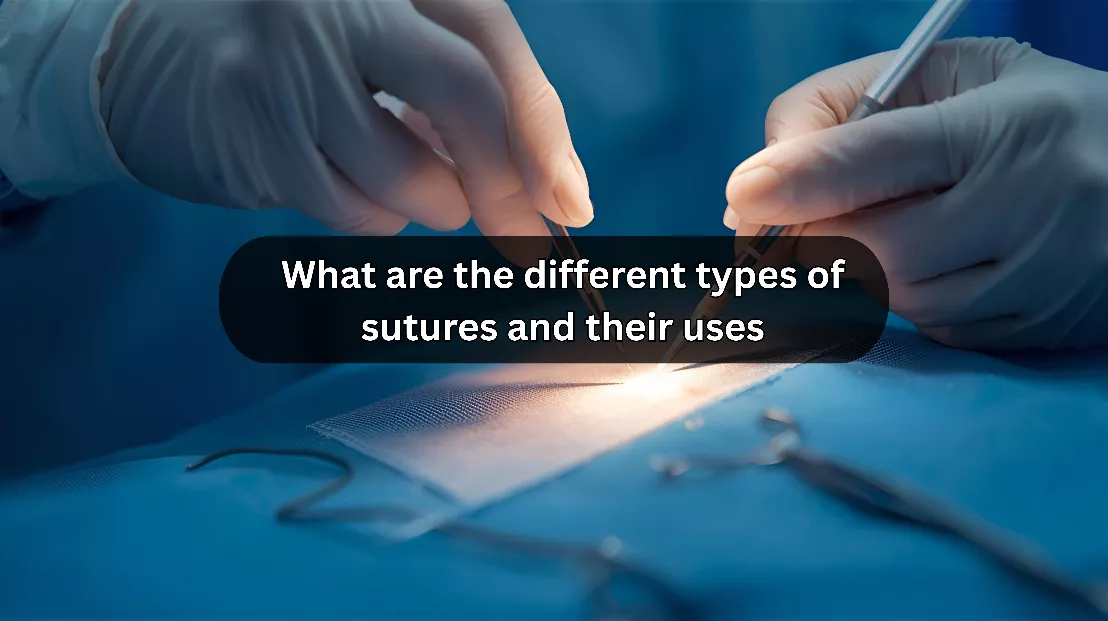
What are the different types of sutures and their uses
1. what are sutures?
Sutures are special medical threads used to close cuts, wounds, and surgical incisions.They help the skin stay together while the body heals naturally. Whether it’s a minor injury or a medical procedure, sutures play a key role in proper wound closure. Many people search for simple explanations of sutures, and this guide makes it easy to understand.
2. Why understanding suture types matters
Knowing different suture types helps you choose the right option for safe wound care. If you want to explore our full range of high-quality suture kits and medical tools, you can visit. Medical students, beginners, and home users often search for “best sutures for practice” or “types of sutures explained,” so learning the basics is useful. When you understand how each suture works, you can get better results and avoid common mistakes.
3. Main categories of sutures
There are two main categories: absorbable sutures and non-absorbable sutures. Absorbable sutures dissolve on their own, while non-absorbable sutures must be removed with a suture removal kit. Understanding these categories helps you pick the right suture for the right type of wound.
Absorbable sutures
Absorbable sutures break down naturally inside the body, making them great for internal wounds or areas where removing stitches is difficult.These sutures are popular in surgeries, dental procedures, and deeper cuts. Many users prefer them because they are convenient and reduce follow-up visits.
Non-absorbable sutures
Non-absorbable sutures are designed to stay strong and must be removed once the wound heals. They’re commonly used for external wounds, skin closures, and long-term support. If you’re buying a suture kit for practice or first aid, these sutures are usually included because they are durable and easy to handle.
4. Common absorbable sutures and their uses
Vicryl sutures
vicryl sutures are soft, flexible, and dissolve gently over time. Doctors often use them for internal tissues, muscle layers, and deep skin wounds. They’re also preferred in training kits because they handle smoothly and are beginner-friendly.
Polydioxanone (pdo) sutures
Pdo sutures dissolve slower than other absorbable options, making them ideal for long-term wound support. They’re commonly used in abdominal surgeries, orthopedic procedures, and deep internal closure. Many users search for “pdo suture uses,” making them a popular choice.
Chromic gut sutures
Chromic gut sutures dissolve faster and are made from natural materials. They’re great for oral surgery, minor internal repairs, and areas where quick healing is expected. These sutures are lightweight and easy to work with, especially for small procedures.
5. Common non-absorbable sutures and their uses
Nylon sutures
Nylon sutures are strong, smooth, and perfect for skin closure. because they’re easy to tie and remove, they’re very common in emergency rooms and home suture kits. Beginners love them for practice because they feel natural and reliable.
Polypropylene (prolene) sutures
Prolene sutures are known for their long-term strength and flexibility. They’re used in cardiovascular surgeries, skin closures, and deep tissue repairs. Many medical students search for “prolene suture uses” when learning about surgical techniques.
Silk sutures
Silk sutures are soft and very easy to handle, which makes them ideal for beginners. although they’re non-absorbable, they’re often used in training because knots are simple and smooth. they’re great for learning basic suture techniques.
6. Suture needle types explained
Cutting needles
Cutting needles have sharp edges that easily pass through tough skin. They’re commonly used for external wounds, especially in emergency stitching. If you’re planning to practice skin closure, cutting needles are the best option.
Taper needles
Taper needles have a smooth, rounded tip that works well for internal tissues. They’re perfect for muscle layers and soft internal areas where gentle penetration is needed. Many suture training kits include both types for proper learning.
7. What suture size numbers mean
Suture size numbers tell you how thick or thin the thread is. Smaller numbers like 3-0 are thicker, while bigger numbers like 6-0 are thinner and used for delicate skin closures. Choosing the right size helps improve healing and reduces scarring.
8. How professionals choose the right suture
Professionals choose sutures based on the wound depth, location, tension, and healing time. They look at suture strength, needle type, material, and size. For dental procedures or oral surgery needs, our specialized dental suture kit offers the right tools with safe and reliable quality. Understanding this helps beginners pick the perfect suture for practice or emergency use.
9. Which suture types are best for home-use kits
For home-use kits, nylon and prolene sutures are the best options because they’re strong, safe, and easy for beginners. most usa customers search for “best sutures for home use,” and these two materials always top the list. they work well for training and minor first aid situations.
10. Final summary
Sutures come in many types, and each one serves a different purpose in wound care and surgical practice. Whether you’re a medical student, beginner, or prepping your home first aid kit, understanding suture materials, needle types, and uses helps you choose the right option confidently. the more you know, the easier it becomes to handle basic wound care safely.